

Navigation
Install the app
How to install the app on iOS
Follow along with the video below to see how to install our site as a web app on your home screen.
Note: This feature may not be available in some browsers.
More options
Style variation
You are using an out of date browser. It may not display this or other websites correctly.
You should upgrade or use an alternative browser.
You should upgrade or use an alternative browser.
McDonalds coffee case from years ago...
- Thread starter julius
- Start date

- Joined
- Sep 9, 2008
- Messages
- 26,096
- Likes
- 9,073
- Points
- 113
I can't download video, and don't know what "more to the story" they're hinting at, so I could be one of the uninformed.
But my take on the case had always been that I thought that getting (IIRC) a couple of million of dollars for spilling coffee in your lap seemed egregious. I vaguely remember hearing that she needed some medical treatment (which, to be honest, I wouldn't be horrified if it was reimbursed), but I remember thinking that multi-million dollar "damages" for having coffee spilled in your lap (whether the server's fault or your own) wasn't right.
Am I way off?
But my take on the case had always been that I thought that getting (IIRC) a couple of million of dollars for spilling coffee in your lap seemed egregious. I vaguely remember hearing that she needed some medical treatment (which, to be honest, I wouldn't be horrified if it was reimbursed), but I remember thinking that multi-million dollar "damages" for having coffee spilled in your lap (whether the server's fault or your own) wasn't right.
Am I way off?

- Joined
- May 24, 2007
- Messages
- 73,117
- Likes
- 10,950
- Points
- 113
I like my coffee hot.

- Joined
- Sep 16, 2008
- Messages
- 46,271
- Likes
- 35,382
- Points
- 113
I can't download video, and don't know what "more to the story" they're hinting at, so I could be one of the uninformed.
But my take on the case had always been that I thought that getting (IIRC) a couple of million of dollars for spilling coffee in your lap seemed egregious. I vaguely remember hearing that she needed some medical treatment (which, to be honest, I wouldn't be horrified if it was reimbursed), but I remember thinking that multi-million dollar "damages" for having coffee spilled in your lap (whether the server's fault or your own) wasn't right.
Am I way off?
Well, here's a quick rundown of the facts of the case.
the coffee was between 180-190 degrees, about 30 or so degrees warmer than your average home coffee maker sets it at.
She wasn't driving (this is a common joke people make).
The coffee spilled onto her lap, and burned her with 3rd degree burns (including on her genitalia, and down to the pubic bone).
McDonalds knew that their coffee was too hot (had well over 700 complaints about it burning people), but was trying to maximize profits.
The "millions" she sued for was A: not her intent and B: what the jury SUGGESTED be what she was rewarded (it was 2 days worth of sales from coffee). She did not receive 2.9 million (they suggested 2.7 million, and she was awarded 200K on top of the 2.7 the jury suggested).
McDonalds has now lowered the temperature of the coffee.
180-190 degree water will give you third degree burns on your skin.
The video shows the graphic pictures of her burns and the skin graphs that had to be done to close the wounds.
The Ford Probe she was a passenger in (with her grandson) had no flat surfaces and that's why she placed the coffee between her knees.
When the coffee spilled, it pooled. And she went into shock due to the pain of the burns.
She ended up being rewarded 500K, after McDonalds initially offered 800 dollars.
I don't know about you, but I wouldn't pour 185 degree water on my crotch for money.
I fully suspect to hear people joke about it without watching it, because it's easier to laugh at this and use it as proof of people cheating the system, or whatever.
Last edited:
- Joined
- May 24, 2007
- Messages
- 73,117
- Likes
- 10,950
- Points
- 113
I don't think she poured coffee on herself to be in a position to sue.
McDonalds made hot coffee, and had warning labels and so on. If you drive through and buy coffee, you want to drink it hot when you get to your destination.
There are lots of things you can buy that can be harmful. Caveat emptor.
If she was buying hot drinks at drive throughs regularly, she should have bought one of these:
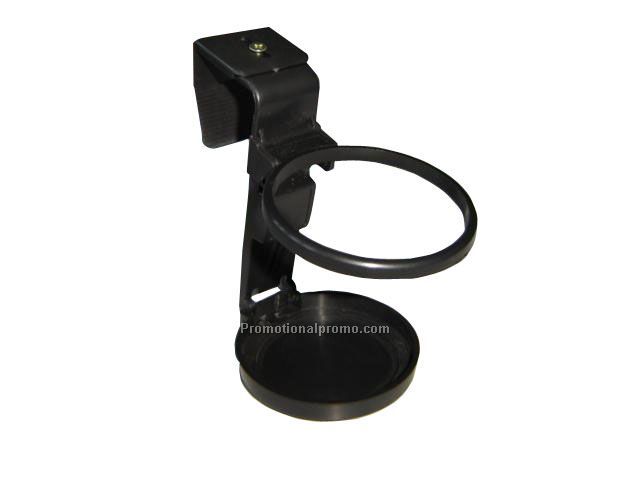
At some point she's responsible, no?
McDonalds made hot coffee, and had warning labels and so on. If you drive through and buy coffee, you want to drink it hot when you get to your destination.
There are lots of things you can buy that can be harmful. Caveat emptor.
If she was buying hot drinks at drive throughs regularly, she should have bought one of these:
At some point she's responsible, no?
- Joined
- Sep 16, 2008
- Messages
- 46,271
- Likes
- 35,382
- Points
- 113
I don't think she poured coffee on herself to be in a position to sue.
McDonalds made hot coffee, and had warning labels and so on. If you drive through and buy coffee, you want to drink it hot when you get to your destination.
There are lots of things you can buy that can be harmful. Caveat emptor.
If she was buying hot drinks at drive throughs regularly, she should have bought one of these:
At some point she's responsible, no?
If coffee was normally hot enough that it caused 3rd degree burns, sure. You might have a point. But one buys coffee not expecting it to be hot enough to cause a 3rd degree burn.
Did you watch the video?
- Joined
- May 24, 2007
- Messages
- 73,117
- Likes
- 10,950
- Points
- 113
I watched the video.
The water in my house is 140 degrees at its hottest. It's not warm enough to be hot coffee.
I ate a pizza the other day. It burned the roof of my mouth. Law suit?
The water in my house is 140 degrees at its hottest. It's not warm enough to be hot coffee.
I ate a pizza the other day. It burned the roof of my mouth. Law suit?
- Joined
- Sep 16, 2008
- Messages
- 46,271
- Likes
- 35,382
- Points
- 113
I watched the video.
The water in my house is 140 degrees at its hottest. It's not warm enough to be hot coffee.
So?
What does that have to do with McDonalds knowingly have their coffee at a higher temperature than whats safe, and knowing it can cause 3rd degree burns?
I ate a pizza the other day. It burned the roof of my mouth. Law suit?
Eating pizza is not the same as having coffee spill on you. And burning the roof of your mouth is not the same as 3rd degree burns.
I look forward to your next false equivalence.

Eastoff
But it was a beginning.
- Joined
- Jun 17, 2009
- Messages
- 16,100
- Likes
- 4,105
- Points
- 113
Well, here's a quick rundown of the facts of the case.
the coffee was between 180-190 degrees, about 30 or so degrees warmer than your average home coffee maker sets it at.
She wasn't driving (this is a common joke people make).
The coffee spilled onto her lap, and burned her with 3rd degree burns (including on her genitalia, and down to the pubic bone).
McDonalds knew that their coffee was too hot (had well over 700 complaints about it burning people), but was trying to maximize profits.
The "millions" she sued for was A: not her intent and B: what the jury SUGGESTED be what she was rewarded (it was 2 days worth of sales from coffee). She did not receive 2.9 million (they suggested 2.7 million, and she was awarded 200K on top of the 2.7 the jury suggested).
McDonalds has now lowered the temperature of the coffee.
180-190 degree water will give you third degree burns on your skin.
The video shows the graphic pictures of her burns and the skin graphs that had to be done to close the wounds.
The Ford Probe she was a passenger in (with her grandson) had no flat surfaces and that's why she placed the coffee between her knees.
When the coffee spilled, it pooled. And she went into shock due to the pain of the burns.
She ended up being rewarded 500K, after McDonalds initially offered 800 dollars.
I don't know about you, but I wouldn't pour 185 degree water on my crotch for money.
I fully suspect to hear people joke about it without watching it, because it's easier to laugh at this and use it as proof of people cheating the system, or whatever.
Having read all of this completely changed my mind on the case.
- Joined
- Sep 9, 2008
- Messages
- 26,096
- Likes
- 9,073
- Points
- 113
Did it explain what the profit motive behind super-hot coffee was? I've never worked fast food, and I don't quite understand how this was profit-based, rather than safety-based? (Warm, not-hot liquids can breed some serious bacteria)
- Joined
- Sep 16, 2008
- Messages
- 46,271
- Likes
- 35,382
- Points
- 113
Did it explain what the profit motive behind super-hot coffee was? I've never worked fast food, and I don't quite understand how this was profit-based, rather than safety-based? (Warm, not-hot liquids can breed some serious bacteria)
you could get more coffee out of the grounds the hotter the water was. Squeezing the most out of the coffee, basically.
- Joined
- Sep 9, 2008
- Messages
- 26,096
- Likes
- 9,073
- Points
- 113
gotcha
- Joined
- Sep 16, 2008
- Messages
- 46,271
- Likes
- 35,382
- Points
- 113
Having read all of this completely changed my mind on the case.
sarcasm?
Eastoff
But it was a beginning.
- Joined
- Jun 17, 2009
- Messages
- 16,100
- Likes
- 4,105
- Points
- 113
sarcasm?
Nope, not at all. I was born in 84, and all of my knowledge previously was just based off of what you'd expect an eight year old to know. Whatever the simple talking points were at the time.
The_Lillard_King
Westside
- Joined
- Sep 15, 2008
- Messages
- 12,405
- Likes
- 310
- Points
- 83
Not a single tear for McDonalds from me
The_Lillard_King
Westside
- Joined
- Sep 15, 2008
- Messages
- 12,405
- Likes
- 310
- Points
- 83
So why isn't Ford liable for making all the surfaces of the Probe rounded?
They didn't anticipate people would carry around cups with liquid so hot it will melt your skin off

- Joined
- Sep 16, 2008
- Messages
- 46,271
- Likes
- 35,382
- Points
- 113
So why isn't Ford liable for making all the surfaces of the Probe rounded?
because cars sole purpose isn't to hold cups

Nikolokolus
There's always next year
- Joined
- Sep 19, 2008
- Messages
- 30,704
- Likes
- 6,198
- Points
- 113
I guess if it was proved that McDonald's was acting negligently and knew that their coffee was a health hazard I can see the argument for the lawsuit, but a huge part of me finds the idea that every accident or mishap can be turned into somebody else's fault (and monetized) extremely distasteful.
- Joined
- May 24, 2007
- Messages
- 73,117
- Likes
- 10,950
- Points
- 113
People die driving their corvettes way too fast. Is GM negligent in making the car knowing people will die in many of them?
- Joined
- Sep 16, 2008
- Messages
- 46,271
- Likes
- 35,382
- Points
- 113
People die driving their corvettes way too fast. Is GM negligent in making the car knowing people will die in many of them?
That is a horrible analogy. But here goes.
GM puts safeguards in their cars to help make them safer.
If GM (or Ford or any car manufacturer) made a car KNOWING it was unsafe, and sold it and didn't exactly let the consumer know how unsafe it was, wouldn't they be liable?
For example, if GM knowingly sold cars that they knew the seat belts failed in crashes exceeding 60 MPH, but did so because they could make more money.

porkchopexpress
Well-Known Member
- Joined
- Oct 29, 2008
- Messages
- 1,628
- Likes
- 60
- Points
- 48
I remember studying this case in a management class and that the case itself wasn't without merit, but there is some misconception about the coffee itself though. The ideal temp to brew coffee is about 195-205 degrees. Of course by the time it gets poured into a cup it drops a few degrees, but the coffee she was served was not any hotter than what you'd get at Starbucks, Peets or any other coffee shop. Fresh coffee is usually too hot to sip. Now imagine pouring a whole mouthful into your mouth and just holding it in there. You'd probably end up with 3rd degree burns like she did.
- Joined
- May 24, 2007
- Messages
- 73,117
- Likes
- 10,950
- Points
- 113
That is a horrible analogy. But here goes.
GM puts safeguards in their cars to help make them safer.
If GM (or Ford or any car manufacturer) made a car KNOWING it was unsafe, and sold it and didn't exactly let the consumer know how unsafe it was, wouldn't they be liable?
For example, if GM knowingly sold cars that they knew the seat belts failed in crashes exceeding 60 MPH, but did so because they could make more money.
MacDonalds put warning labels on every cup, and lids, too. Styrofoam so you don't burn your hand. Seems the same to me.
Putting hot liquid near or on your lap also seems as stupid as driving your corvette recklessly. Both reckless.

tlongII
Legendary Poster
- Joined
- Sep 15, 2008
- Messages
- 17,400
- Likes
- 12,169
- Points
- 113
That is a horrible analogy. But here goes.
GM puts safeguards in their cars to help make them safer.
If GM (or Ford or any car manufacturer) made a car KNOWING it was unsafe, and sold it and didn't exactly let the consumer know how unsafe it was, wouldn't they be liable?
For example, if GM knowingly sold cars that they knew the seat belts failed in crashes exceeding 60 MPH, but did so because they could make more money.
I'm guessing McDonald's put that 190 degree coffee in a cup with a lid on it. Seems like a safeguard to me.

EL PRESIDENTE
Username Retired in Honor of Lanny.
- Joined
- Feb 15, 2010
- Messages
- 50,346
- Likes
- 22,533
- Points
- 113
I'm on the side of corporate Amurica. :MARIS61:

THE HCP
NorthEastPortland'sFinest
- Joined
- Sep 16, 2008
- Messages
- 73,147
- Likes
- 62,431
- Points
- 113
I like my coffee hot.
I like my coffee black............like my men!

Natebishop3
Don't tread on me!
- Joined
- Sep 17, 2008
- Messages
- 94,247
- Likes
- 57,517
- Points
- 113
That is a horrible analogy. But here goes.
GM puts safeguards in their cars to help make them safer.
If GM (or Ford or any car manufacturer) made a car KNOWING it was unsafe, and sold it and didn't exactly let the consumer know how unsafe it was, wouldn't they be liable?
For example, if GM knowingly sold cars that they knew the seat belts failed in crashes exceeding 60 MPH, but did so because they could make more money.
Well, I don't know about that. What's the top speed of a Charger? Corvette? Mustang?
What's the highest speed limit in this country? 75? 80? 90?
In most states you go to jail for going over 100 mph, yet these vehicles can go well over 100 mph. My motorcycle can top out around 150 mph. That's 50 mph over what the government will throw you in jail for. There's no warnings. There's no safety measures to prevent me from going over the speed limit. It's a personal choice to purchase a vehicle that will go that fast, and it's a personal choice to exceed the speed limit. If I were to die going 100+ on the freeway, would you blame the motorcycle company?

The_Lillard_King
Westside
- Joined
- Sep 15, 2008
- Messages
- 12,405
- Likes
- 310
- Points
- 83
I think there is a lot of misperception about this case. The large verdict (about 3 million) came by way of punitive damages, and that damage award is meant to punish the defendant. If the jury thinks punitive damages should be awarded, then the issue is how much should they award to "send a message to McDonalds." It's clear that the jury thought not only that MCDonalds was negligent, but that their conduct was so bad they needed to be punished.
People like to discredit the American jury system, but I am a believer in it. If you have a dispute, you don't take thing into your own hands (like buy a cup of coffee from McDonalds and pour it into the manager's lap) . . . you take it in front of 12 people from the community and let a neutral party decide who is right and wrong.
People like to discredit the American jury system, but I am a believer in it. If you have a dispute, you don't take thing into your own hands (like buy a cup of coffee from McDonalds and pour it into the manager's lap) . . . you take it in front of 12 people from the community and let a neutral party decide who is right and wrong.
The_Lillard_King
Westside
- Joined
- Sep 15, 2008
- Messages
- 12,405
- Likes
- 310
- Points
- 83
Having a society where corporations have to consider the safety of their product and potential harm it may cause, is a good thing!
Similar threads


- Replies
- 5
- Views
- 662


Users who are viewing this thread
Total: 1 (members: 0, guests: 1)