BigGameDamian
Well-Known Member
- Joined
- Oct 19, 2012
- Messages
- 35,255
- Likes
- 14,463
- Points
- 113


Follow along with the video below to see how to install our site as a web app on your home screen.
Note: This feature may not be available in some browsers.

In a statement of his own, Hegseth submitted that:The Department of War reminds all individuals that military retirees remain subject to the UCMJ for applicable offenses, and federal laws such as 18 U.S.C. § 2387 prohibit actions intended to interfere with the loyalty, morale, or good order and discipline of the armed forces. Any violations will be addressed through appropriate legal channels.
All servicemembers are reminded that they have a legal obligation under the UCMJ to obey lawful orders and that orders are presumed to be lawful. A servicemember’s personal philosophy does not justify or excuse the disobedience of an otherwise lawful order.
The investigation’s launch comes after President Donald Trump expressed his outrage over the video, which he argued was “SEDITIOUS BEHAVIOR, punishable by DEATH!”The video made by the “Seditious Six” was despicable, reckless, and false. Encouraging our warriors to ignore the orders of their Commanders undermines every aspect of “good order and discipline.” Their foolish screed sows doubt and confusion — which only puts our warriors in danger.
Five of the six individuals in that video do not fall under @DeptofWar jurisdiction (one is CIA and four are former military but not “retired”, so they are no longer subject to UCMJ). However, Mark Kelly (retired Navy Commander) is still subject to UCMJ—and he knows that.
As was announced, the Department is reviewing his statements and actions, which were addressed directly to all troops while explicitly using his rank and service affiliation—lending the appearance of authority to his words. Kelly’s conduct brings discredit upon the armed forces and will be addressed appropriately.

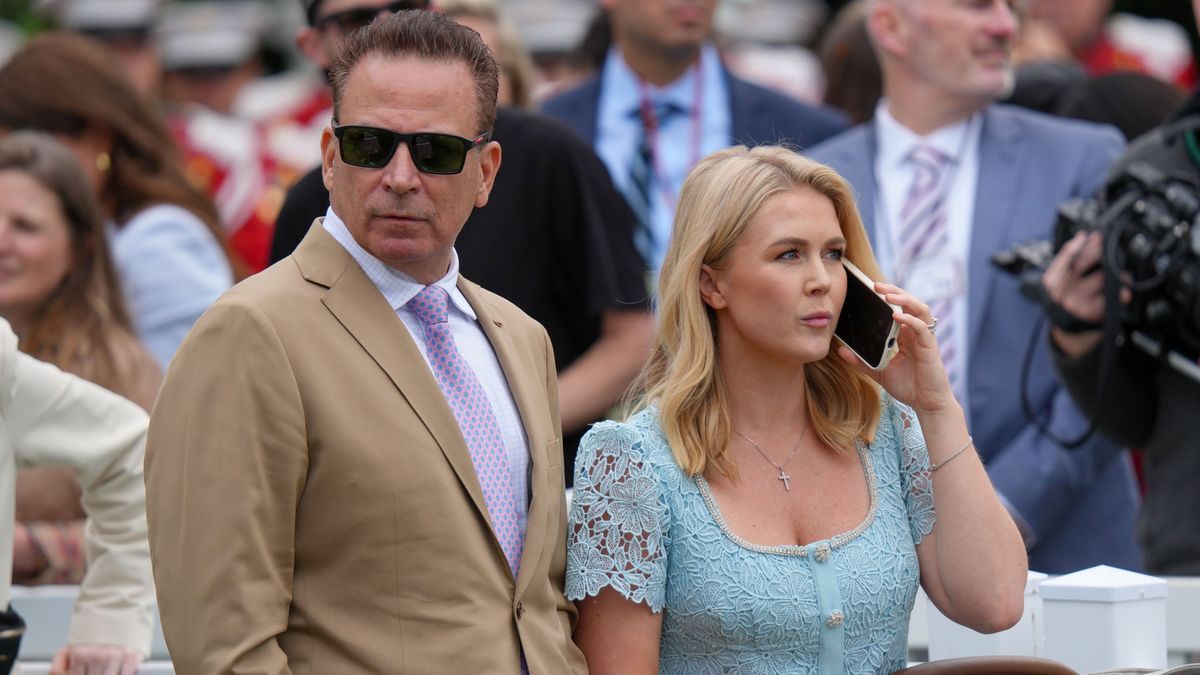


Gee, I wonder how mothers and fathers deported without their children feel.Karoline Leavitt says she has 'PTSD' over difficult choices with husband, 60
White House Press Secretary Karoline Leavitt says she has 'PTSD' from canceling so many dates with her husband, Nicholas Riccio, with whom she shares a 1-year-old sonwww.themirror.com


 Under the Uniform Code of Military Justice (UCMJ), U.S. service members must obey lawful orders — and must refuse unlawful ones.
 1. What the UCMJ actually says about unlawful orders
 Troops must refuse “manifestly unlawful orders.” If they follow an illegal order, THEY can be prosecuted. “Just following orders” is not a defense. That principle comes straight from post-WWII law and is baked into every modern military on Earth. 2. What makes an order illegal? (The real definition) 3. When is it LEGAL to fire on vessels? A. The vessel poses an imminent threat B. The vessel is a lawful military target in an armed conflict C. The vessel refuses lawful commands and poses a threat that cannot be handled by non-lethal means 4. What is NOT legal?
 Shooting a boat because it “might” have drugs Destroying a vessel because it fled Using lethal force as a shortcut to interdiction Treating smugglers as enemy combatants Blowing up civilian vessels in international waters Acting like the high seas are a free-fire zone Using military force without congressional authorization 5. Now let’s talk about the Venezuelan boats. If troops were ordered to destroy those boats without an imminent threat, that is a manifestly illegal order. 6. Why the political outrage is backwards 7. Final point