Repealing Obamacare

Welcome to our community

Be a part of something great, join today!

WTF does this even mean? Was there a point to be made here? The rich people, who you and I both pay for their health care with our taxes, just cut healthcare for poor people. The fact that people agree with this shit is ludicrous.

It's against the law to deny anyone health care.
 
In a related executive order.

https://www.usatoday.com/story/news...iation-plans-drive-down-costs-some/752816001/

Trump's health insurance order pushes association plans to drive down costs — for some

WASHINGTON — President Trump signed an executive order Thursday that he says will lower health insurance premiums by allowing more consumers to buy health insurance through association health plans across state lines.

The order could help to reach the millions of uninsured people who don't have access to employer plans, but also find Obamacare beyond reach because of its skyrocketing premiums and scattered availability. It would allow more small businesses to pool their resources into associations that would then use their purchasing power to buy group plans for their employees.
 
Interestingly, we were just notified that our monthly insurance premium (Regence BC) will be going up $48 a month for 2018. That’s less than 4% and a great deal less than we expected. The 2% increase in Social Security for both of us
should just cover it, with maybe a few bucks left over for a beer. But we’re still paying an arm and a leg for coverage......
 
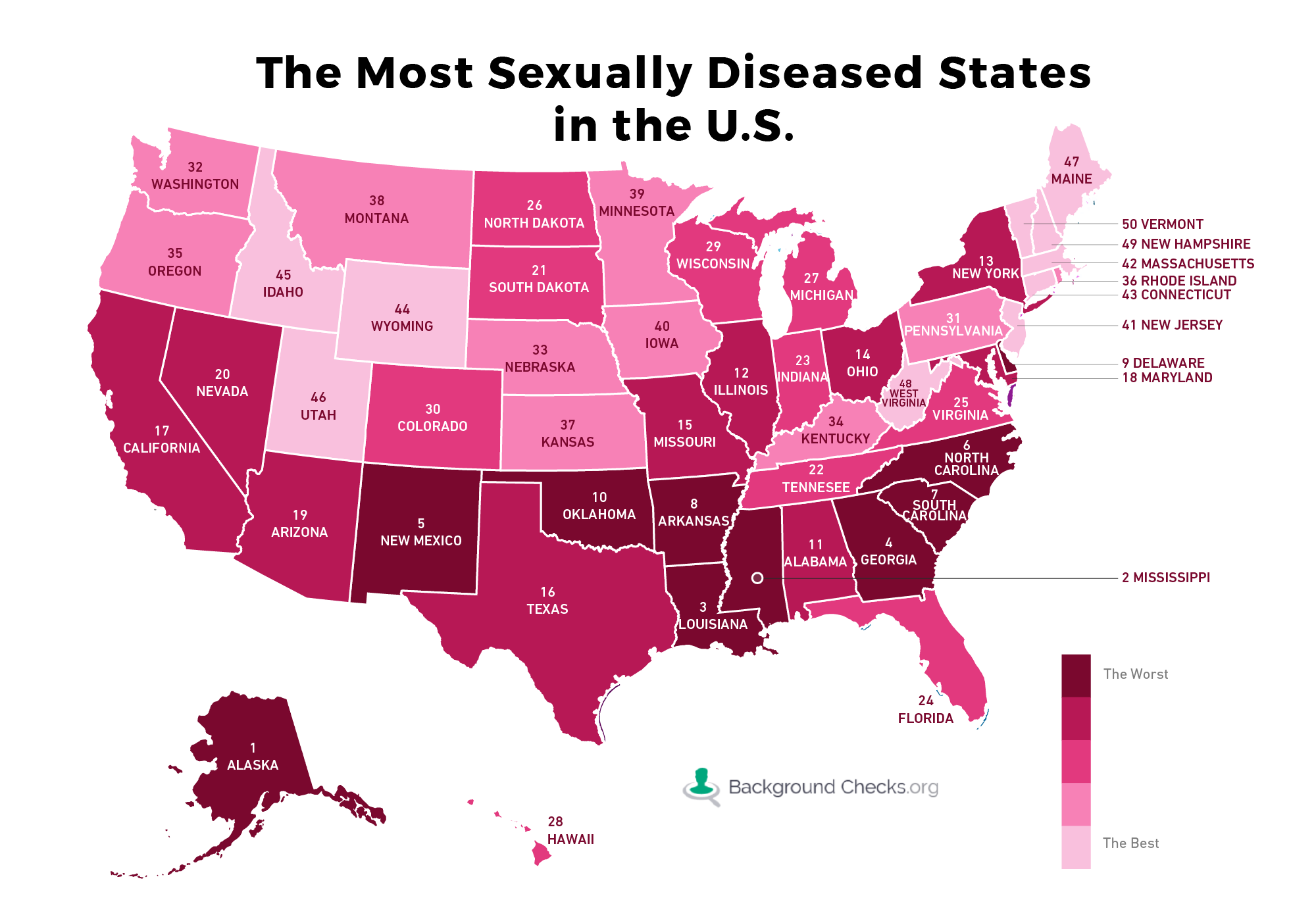
Not surprising...

stdHeatMap_.png
Ok. HCP is banned from moving to Nevada. We'll climb even higher in STDs AND Laker Fans. We can't accept that.
 
You don't go to the emergency room for most shit bro. Make sense.

It doesn't matter if you go to the emergency room or not.

You can get health care anywhere, but you might have to pay the doctor.

That's life, and it's fair.
 
It doesn't matter if you go to the emergency room or not.

You can get health care anywhere, but you might have to pay the doctor.

That's life, and it's fair.

So you're not making a point. No money = no care unless you go to the emergency room.

You can say "it's against the law" but people are being "denied" care because they don't have access to it in the first place.
 
So you're not making a point. No money = no care unless you go to the emergency room.

You can say "it's against the law" but people are being "denied" care because they don't have access to it in the first place.

No money, you get care and they sue you or whatever. You get the care.

EDIT:

2/3 of all hospitals in the US are public or non-profit ones. The public ones cannot deny care for any issue you may have, regardless of your ability to pay.

All hospitals and urgent care clinics must treat patients regardless of their ability to pay.

My note: for the past 10 years, my entire health care has been through the neighborhood urgent care clinic. For my lupus, I do see a specialist, but the urgent care clinics were able to prescribe the same drugs the rheumatologist did.

In my neighborhood in San Diego, there were 2 or 3 women's clinics that would treat for free.

https://insight.kellogg.northwester...the-cost-of-the-uninsured-nonprofit-hospitals

The government does provide some compensation to hospitals for treating low-income patients. Most of it is in the form of Disproportionate Share Hospital (DSH) payments, which, according to federal law, are owed to any qualified hospital that serves a large number of Medicaid and uninsured patients. But the research shows it is not enough to offset hospital costs. “The DSH payments are less than the uncompensated care that’s provided,” explains Garthwaite.

Nor does the cost fall on those who hold private insurance policies, as many policymakers assume. “There’s this idea that hospitals simply pass on the costs of uncompensated care to privately insured patients by raising prices,” Garthwaite says—a phenomenon known as “cost-shifting,” which some have also interpreted as a “hidden tax” on all Americans.

“We show evidence that it’s not true. If it were true, we wouldn’t see profits fall—but we see profits fall meaningfully following an increase in the share of the population that is uninsured.” Beyond the empirical evidence, though, Garthwaite says it is not clear that hospitals could shift costs in the way many policymakers assume they do. “Hospitals are sophisticated financial organizations,” he says. “If raising prices would have made them more money, they would have already raised prices.”

Ultimately, hospitals are left to absorb at least two-thirds of the cost of all of this uncompensated care, the researchers estimate.

Burden on Nonprofits
Interestingly, nonprofit hospitals end up absorbing the bulk of this care. A majority of private hospitals in the United States—more than 70 percent—are nonprofit firms and therefore expected to provide a “community benefit” in exchange for tax relief. One key component of this community benefit is charity care for indigent patients. For-profit firms do not face a similar community-benefit standard.

This means that when there are changes in the supply or demand of healthcare services to the poor, most of the burden—in terms of uncompensated care costs—falls on nonprofit hospitals, a finding that sheds new light on the role nonprofits play in the healthcare industry. In contrast to what many believe, nonprofit hospitals are not simply for-profits in disguise. “Previously, it wasn’t clear exactly what kind of role nonprofit hospitals were playing,” he says. “Th

 
Last edited:
No money, you get care and they sue you or whatever. You get the care.

EDIT:

2/3 of all hospitals in the US are public or non-profit ones. The public ones cannot deny care for any issue you may have, regardless of your ability to pay.

All hospitals and urgent care clinics must treat patients regardless of their ability to pay.

My note: for the past 10 years, my entire health care has been through the neighborhood urgent care clinic. For my lupus, I do see a specialist, but the urgent care clinics were able to prescribe the same drugs the rheumatologist did.

In my neighborhood in San Diego, there were 2 or 3 women's clinics that would treat for free.

https://insight.kellogg.northwester...the-cost-of-the-uninsured-nonprofit-hospitals

The government does provide some compensation to hospitals for treating low-income patients. Most of it is in the form of Disproportionate Share Hospital (DSH) payments, which, according to federal law, are owed to any qualified hospital that serves a large number of Medicaid and uninsured patients. But the research shows it is not enough to offset hospital costs. “The DSH payments are less than the uncompensated care that’s provided,” explains Garthwaite.

Nor does the cost fall on those who hold private insurance policies, as many policymakers assume. “There’s this idea that hospitals simply pass on the costs of uncompensated care to privately insured patients by raising prices,” Garthwaite says—a phenomenon known as “cost-shifting,” which some have also interpreted as a “hidden tax” on all Americans.

“We show evidence that it’s not true. If it were true, we wouldn’t see profits fall—but we see profits fall meaningfully following an increase in the share of the population that is uninsured.” Beyond the empirical evidence, though, Garthwaite says it is not clear that hospitals could shift costs in the way many policymakers assume they do. “Hospitals are sophisticated financial organizations,” he says. “If raising prices would have made them more money, they would have already raised prices.”

Ultimately, hospitals are left to absorb at least two-thirds of the cost of all of this uncompensated care, the researchers estimate.

Burden on Nonprofits
Interestingly, nonprofit hospitals end up absorbing the bulk of this care. A majority of private hospitals in the United States—more than 70 percent—are nonprofit firms and therefore expected to provide a “community benefit” in exchange for tax relief. One key component of this community benefit is charity care for indigent patients. For-profit firms do not face a similar community-benefit standard.

This means that when there are changes in the supply or demand of healthcare services to the poor, most of the burden—in terms of uncompensated care costs—falls on nonprofit hospitals, a finding that sheds new light on the role nonprofits play in the healthcare industry. In contrast to what many believe, nonprofit hospitals are not simply for-profits in disguise. “Previously, it wasn’t clear exactly what kind of role nonprofit hospitals were playing,” he says. “Th


Post whatever you want. No one goes to the hospital emergency room for say a skin condition. You don't go to the emergency room for psoriasis. Again, make sense...
 
Post whatever you want. No one goes to the hospital emergency room for say a skin condition. You don't go to the emergency room for psoriasis. Again, make sense...

You don't go to an emergency room for a skin condition, you go to the urgent care clinic or go pay $60 for doctor (way cheaper than ObamaCare premium).
 
Pardon me for fact checking you (and me). I said $60.

The going rate for a "cheaper" dermatologist is typically between $100 and $170 per visit. An "expensive" dermatologist might charge upwards of $200. If you're unsatisfied with the cost of your visit, talk to your dermatologist's bookkeeper and ask how to secure a reduced rate on your next appointment. Most practices are happy to oblige this request. In fact, you'll often be able to receive the lower "insurance-only" rate for an office visit simply by asking for it.​

Law Dictionary: How Much Is a Visit to the Dermatologist without Health Insurance?
 
You don't go to an emergency room for a skin condition, you go to the urgent care clinic or go pay $60 for doctor (way cheaper than ObamaCare premium).

Yeah, no. Most Drs. don't see people without health insurance. And what if you don't have the $60? You're really not making sense right now.

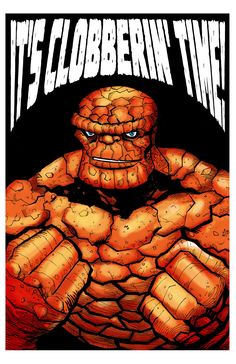
And The Thing just yelled "it's clobberin' time!!" and cut 9 million kids off the rolls. Some of them will die because of it.

8d4a6f405bc391960aec53e7807357cc--superheroes-party-time.jpg
 
Yeah, no. Most Drs. don't see people without health insurance. And what if you don't have the $60? You're really not making sense right now.

And The Thing just yelled "it's clobberin' time!!" and cut 9 million kids off the rolls. Some of them will die because of it.

8d4a6f405bc391960aec53e7807357cc--superheroes-party-time.jpg


Yes they do. When I had no insurance and went to the doctor, they gave me a "paying cash rate." They want to make money and they'll take what they can reasonably get. If you can't afford $60, you're fucked no matter what care you need.

You are just saying stuff with nothing to back it up.

No more people are going to die, that's both silly and hyperbole.
 
If you can't afford $60, you're fucked no matter what care you need.

The sun beams down on a brand new day
No more welfare tax to pay
Unsightly slums gone up in flashing light
Jobless millions whisked away
At last we have more room to play
All systems go to kill the poor tonight
Gonna kill kill kill kill kill the poor
Kill kill kill kill kill the poor
Kill kill kill kill kill the poor tonight

barfo
 

Users who are viewing this thread

Back
Top